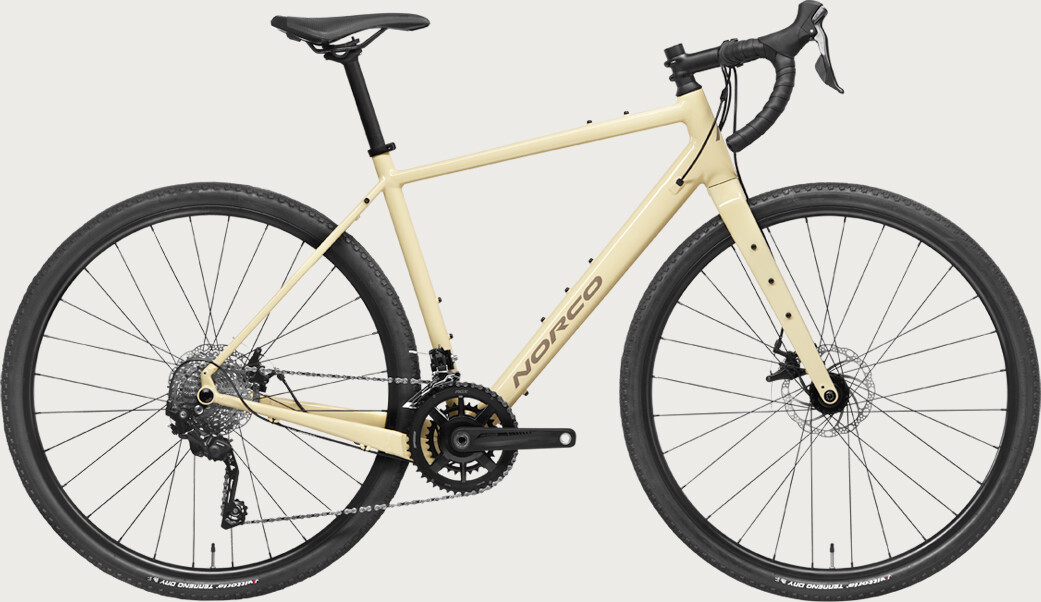
I swing my leg over the top tube and head out on the pavement right from my front door. The tires a little noisy, but I settle into a nice cadence as I make my way toward the trailhead. The drop bars feel nice and the tires don't feel any slower than what I remember a road bike feeling like. I'm sure I'm wrong on that last point, but that's just how memory works.
After about a half hour, I cross the cattle guard that signifies my entry into dirt. It's a few hundred feet and there's another entry, across another boundary, and those small, knobby tires hit singletrack. Exactly what I came for.
The next hour of pedaling reminds of when I first started riding. In the early 90s, there wasn't any suspension, brands were still figuring out trail geometry, and brakes were more of a hope they slow me down rather than these will stop me situation. It's nostalgia for sure, but it's also the love of a simpler ride.
This is what "gravel" is for me. It's a throwback to a simpler time. It's riding wherever, whenever. It's multi-surface. It's just fun.
Spec Check
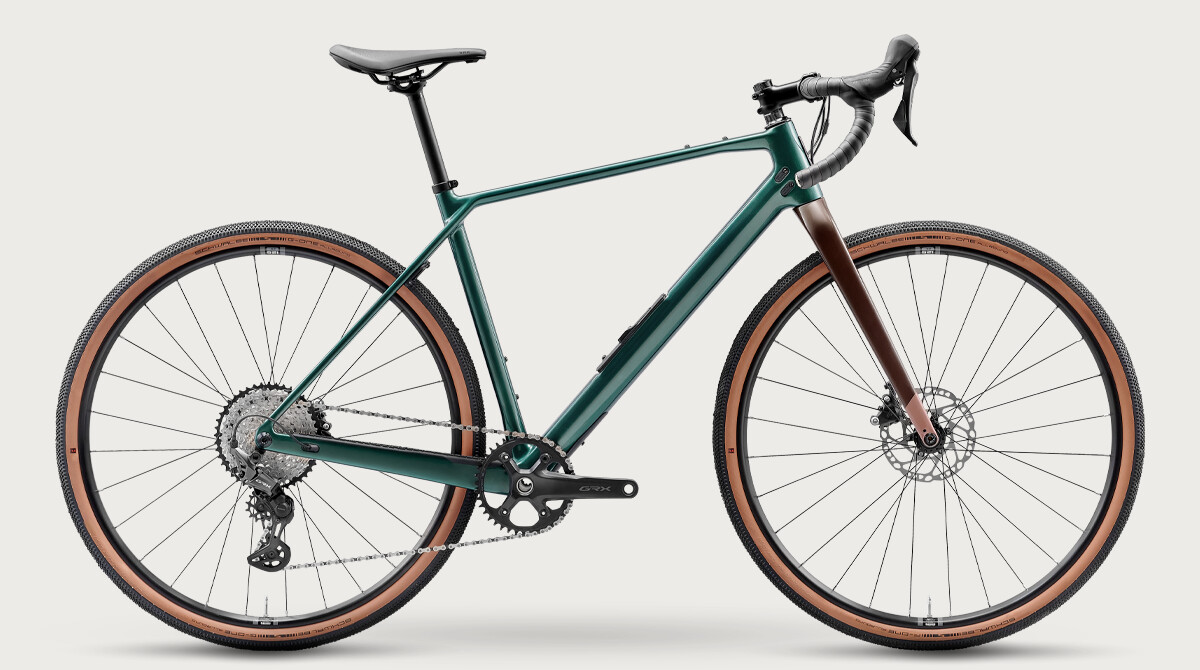
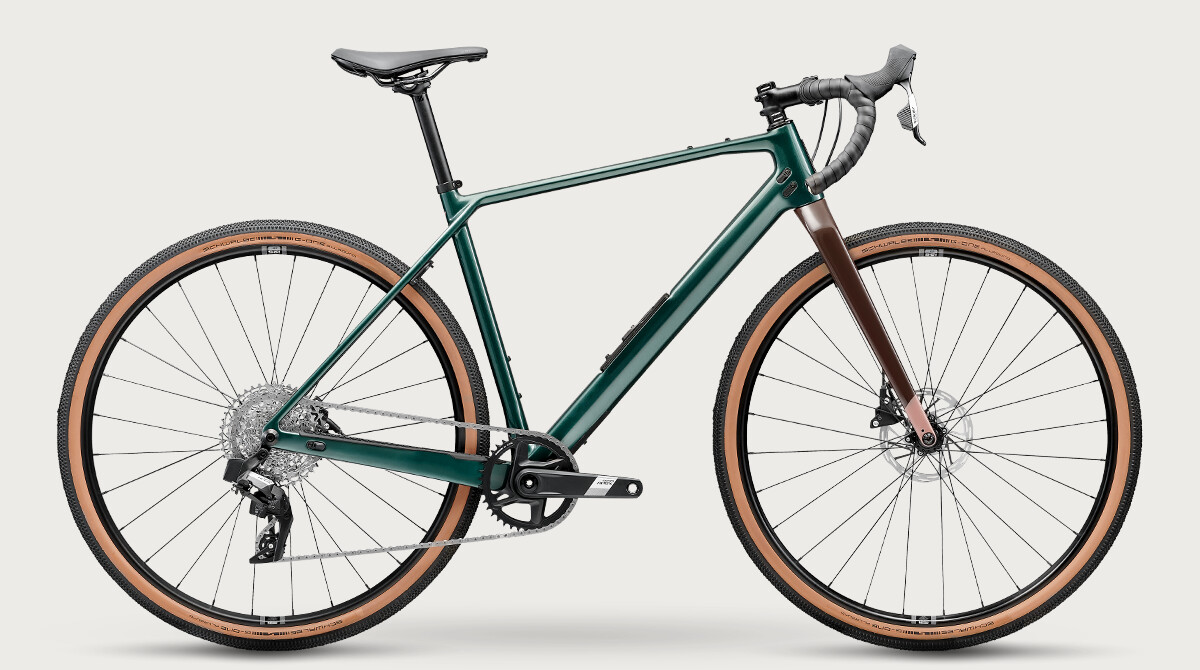
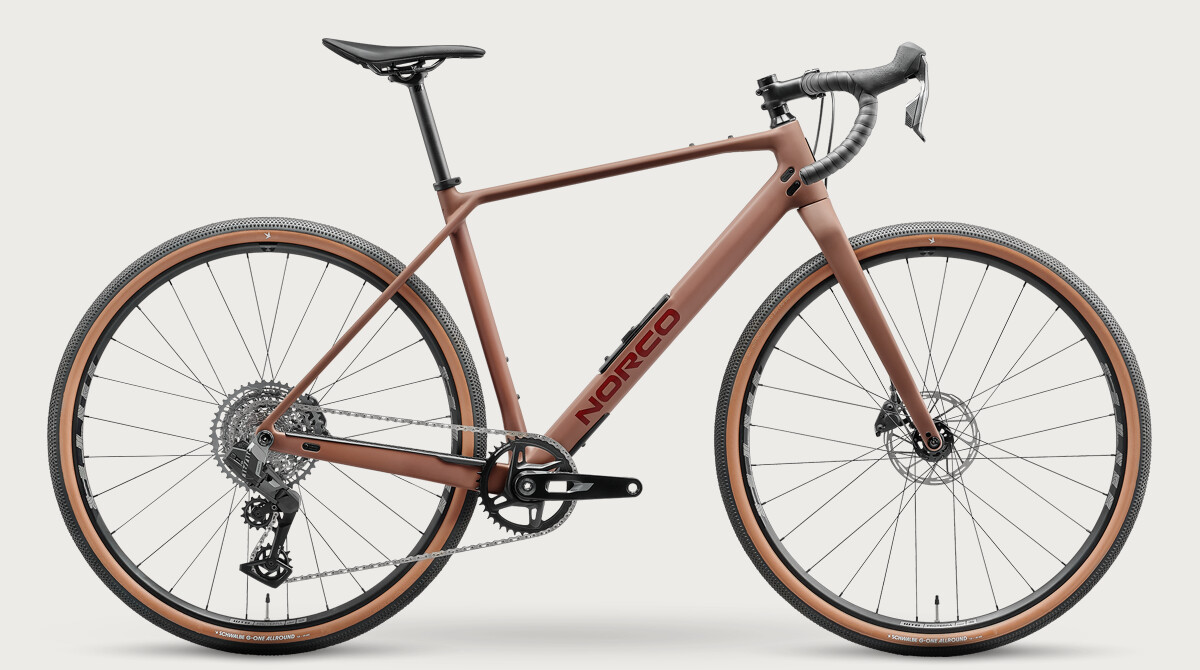
Norco Search Rival XPLR Gen 3
Price - $4399
Frame - Search Carbon with downtube storage
Grupo - Full SRAM Rival XPLR 13 Speed
Gearing - 40T X 10-46
Wheels - WTB Proterra Light i25 TCS rims on WTB Frequency hubs.
Tires - Schwalbe G-one R Evo 700X45c
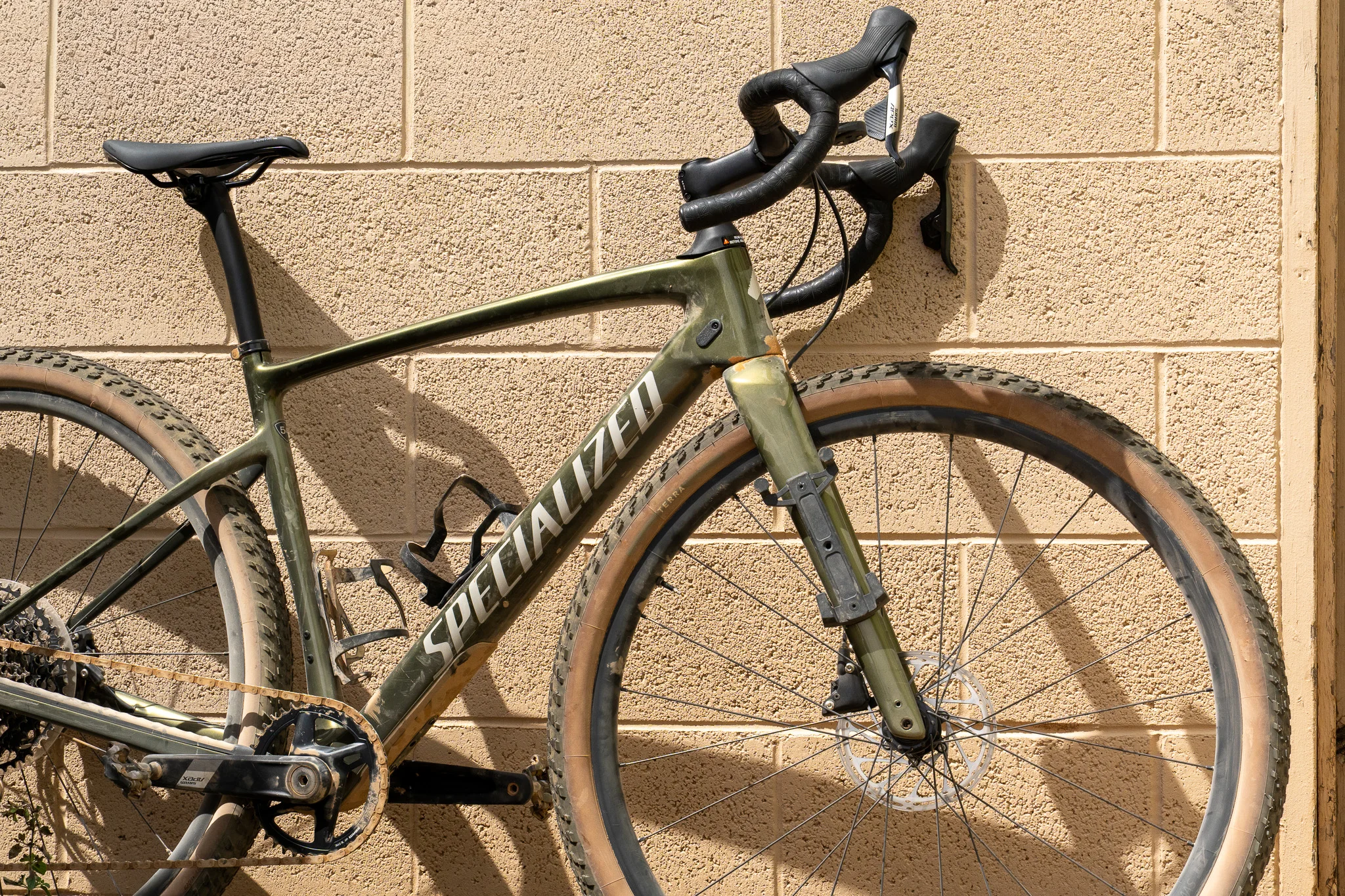
Specialized Diverge 4 Comp
Price - $4199
Frame - Diverge FACT 9r Carbon w/SWAT storage and Future Shock 3.2
Grupo - Sram Apex levers, brake calipers and cranks, mated to S1000 rear derailleur
Gearing - 40T X 10-52
Wheels - DT Swiss G540
Tires - Specialized Tracer TLR 700X45c
Ride Quality
Norco Search
The Search rides the way you would expect a mid-level, quality gravel bike to ride. I found it to have a snappy, quick feel to it. The geometry is dialed for using this bike for multi-surface. It felt great pedaling pavement on my way to dirt. Gravel roads, whether smooth or chunky, were handled just fine. And my favorite, it took on singletrack like a champ tracking through chunky slickrock predictably.
I loved the way it climbed. The frame is stiff and feels like all energy applied to the cranks went forward. This is a bit of a double-edged sword as the stiffness also translated into a slightly rougher ride.
Diverge 4 Comp
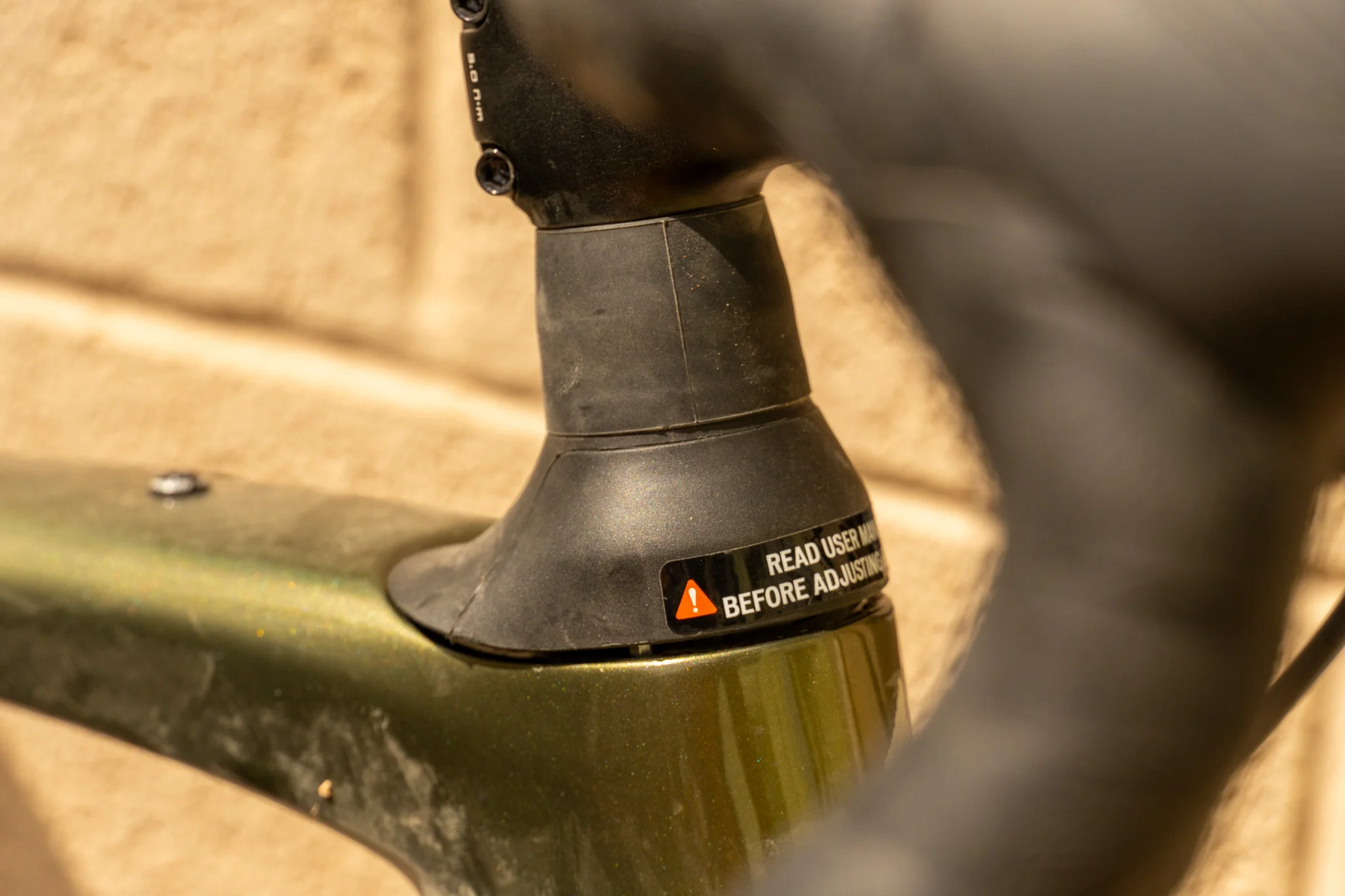
The Diverge sits in a category almost by itself. The Future Shock allows the handlebars to move up and down suspending the rider over the bike. Having ridden and owned several Diverges, I tend to really notice that movement and gush about it for the first ten rides or so. Then it feels natural like nothing is there. At least as long as it's still there. Once it's gone, you will know it and want it back ASAP.
With the Future Shock mated to the 9r carbon frame, the Diverge does a fantastic job of smoothing out rougher roads without feeling like a mountain bike. The simple nature of a rigid frame is still there and this bike is no squishy ride. It tracks well and is snappy, but it is slightly more flexible than the Search.
Overall, both of these bikes road fantastic. If you are looking for a race bike that charges by optimizing for energy transfer over smoothness, the Search is your ride. If you want the smoothest ride and are willing to sacrifice a bit of efficiency and snappiness for that, the Diverge comes in swinging.
Drivetrain
Search
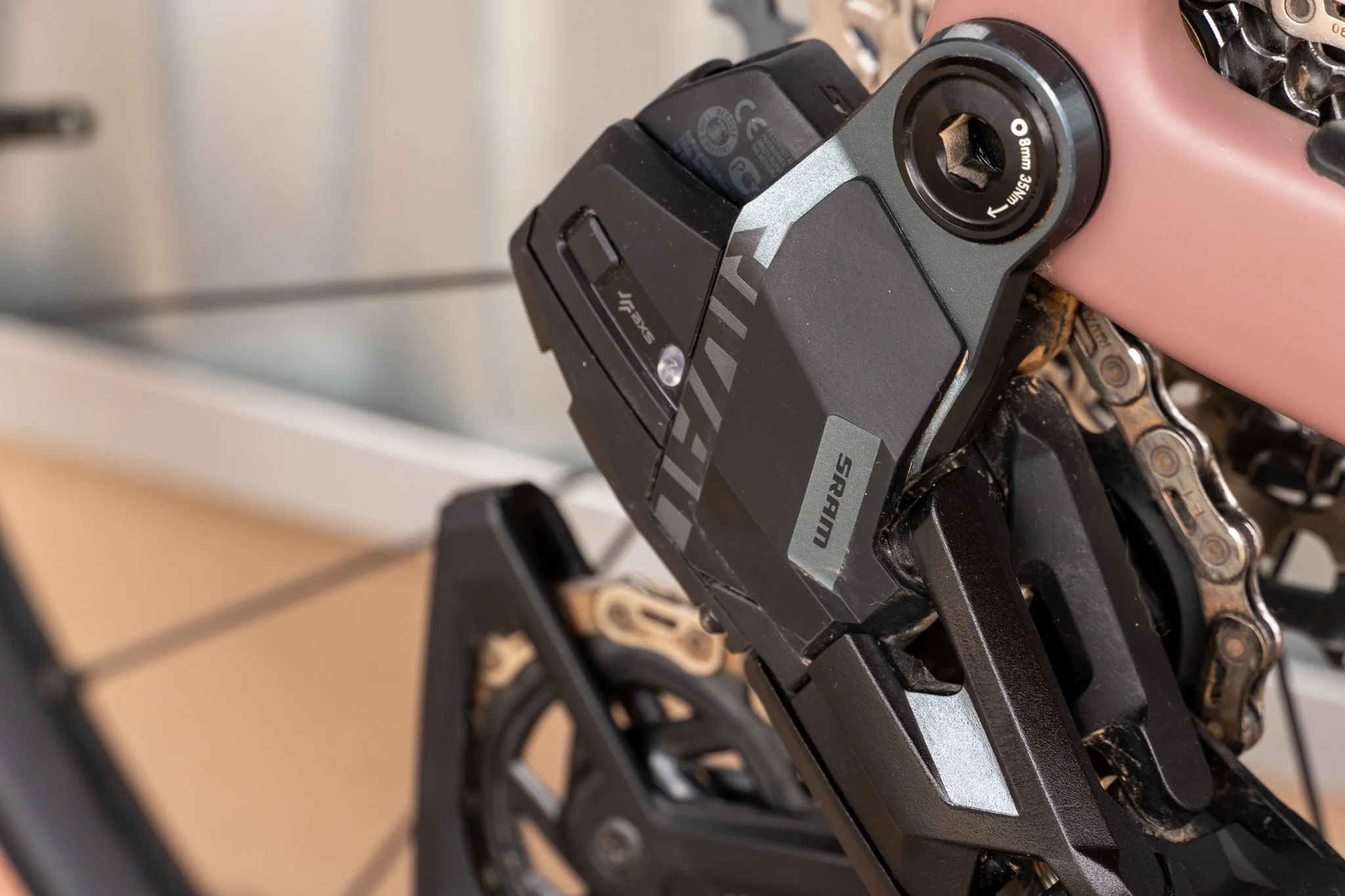
With the latest Rival drivetrain from SRAM, the Search brings a 13-speed drivetrain. The extra gear and tighter spacing, 10-46, allow for good pedaling efficiency and for maintaining a consistent cadence. It is a Transmission derailleur and as expected, it was easy to setup, shifted great throughout the Trail Test, and performed the way you would expect a quality drivetrain to perform.
Diverge
Specialized took a different approach attaching a S1000 Eagle Transmission derailleur to an Apex group. This allows for the full 10-52 range that Eagle is known for. You lose a gear, but gain range. The slightly downgraded drivetrain (compared to the Search) shifted fine and functioned well throughout the test.
I can't say there is a clear winner here. I can make an argument for either drivetrain. Once again, if you are racing and efficiency is job #1, the Rival XPLR is the ticket. While the Diverge is optimized for steeper, rougher roads where having that 52T cog can mean the difference between pedaling and walking.
Brakes
Search
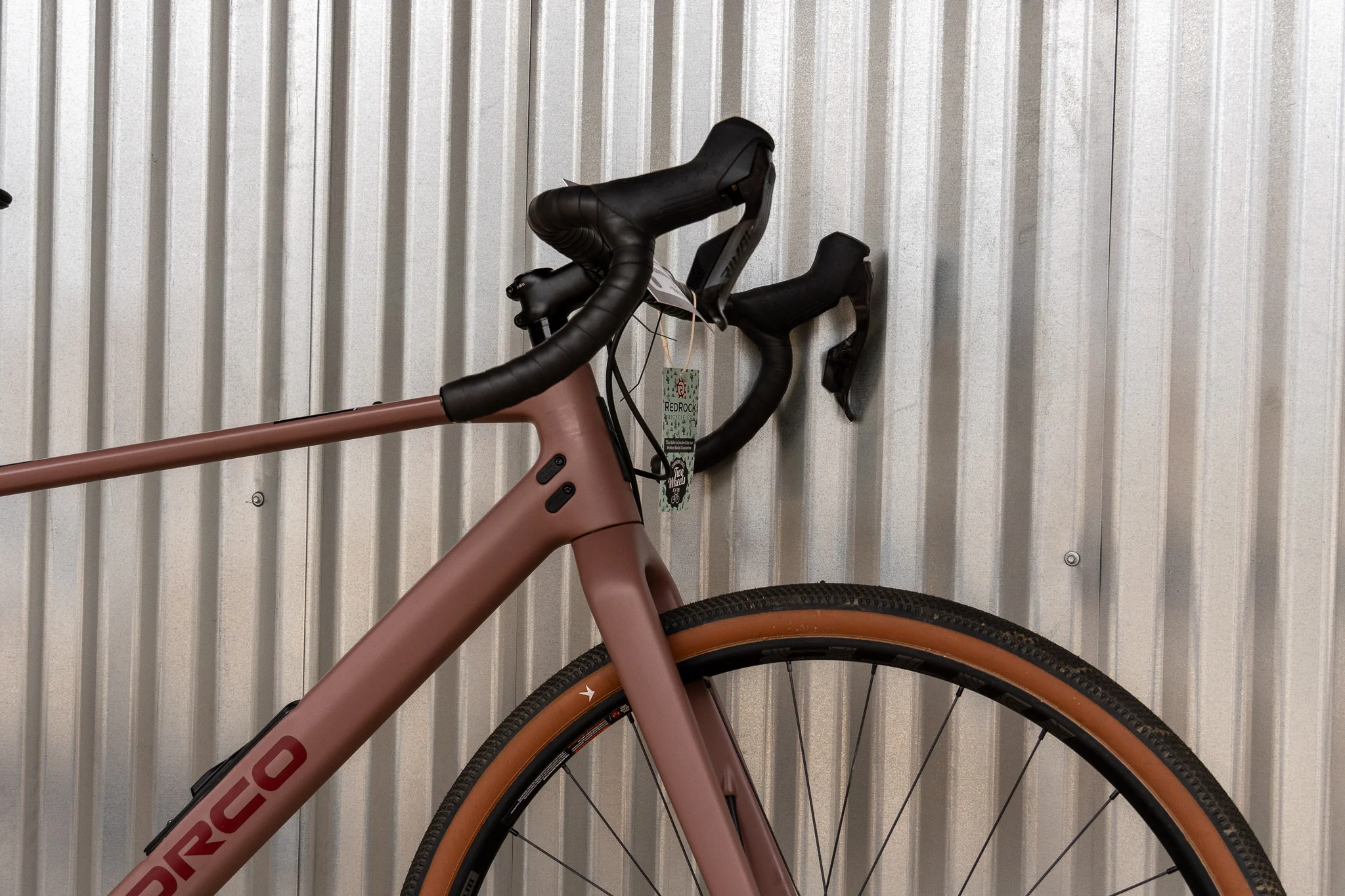
Sram drop bar brakes just work. I've been running them for close to a decade and have yet to have any serious issues. Both of these bikes continued that trend.
The Rival brakes worked great right out of the box. They had great modulation, but I never felt like I was in need of more power. A great balance for a brake. The calipers are lightweight and were noise free through the test.
Diverge
The Apex brakes on the Diverge functioned fine. The modulation and power were on par. However, right out of the box, the rear one squealed until I replaced the pads only to have the front one repeat the problem. Once I had replaced both sets of pads, the brakes were quiet and functioned as expected.
Hoods
Search
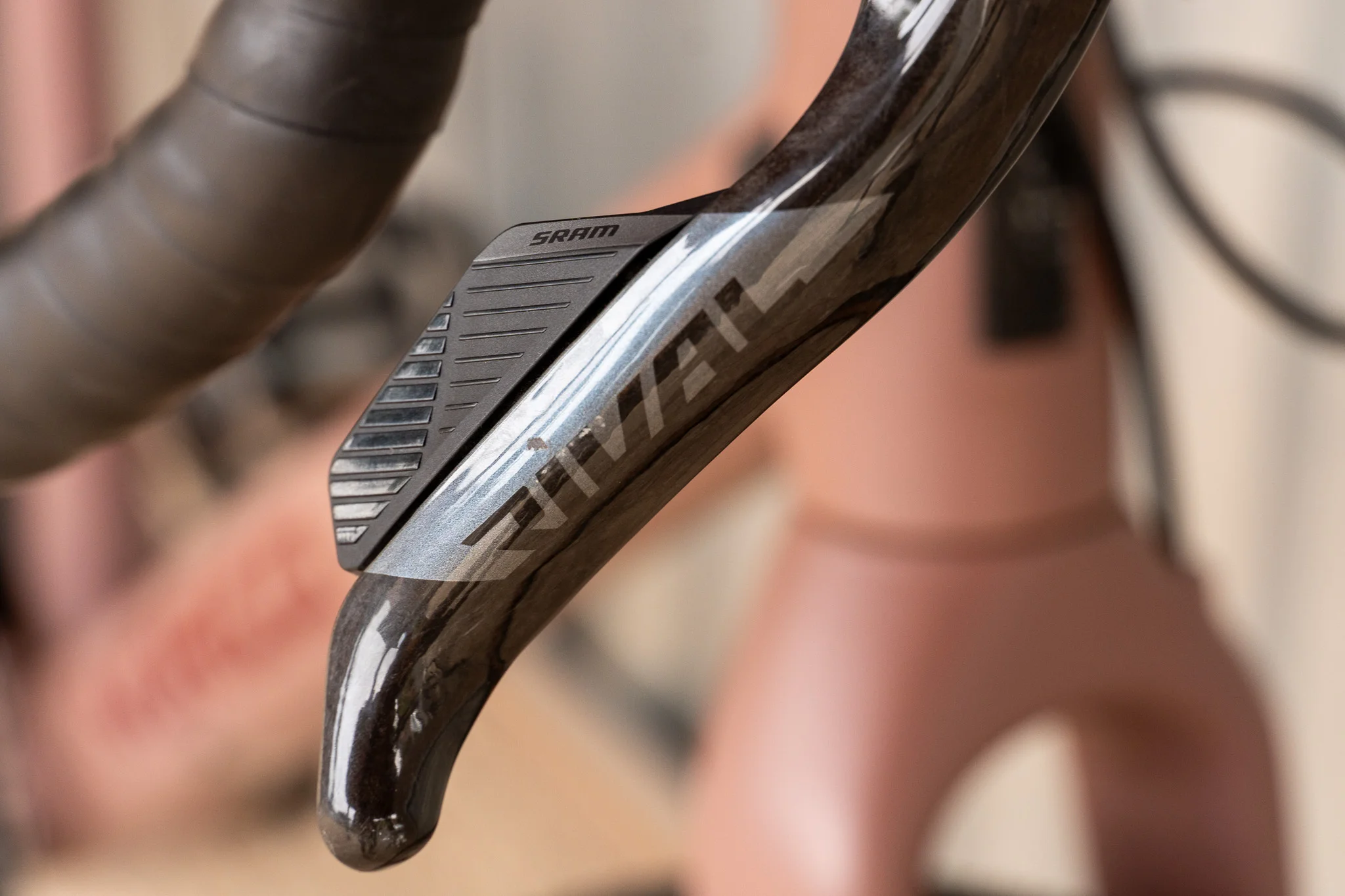
In my opinion, there is a very clear winner for this. The new Rival XPLR hoods/shifters are phenomenal. They feel great, the shifting is perfect, but most importantly, the shape of the hood facilitates one-finger braking. This allowed me to stay on top of the hoods through more of the rough stuff saving my neck and back. I loved these hoods so much, I am working on adding them to my personal bike.
Diverge
Storage
Search
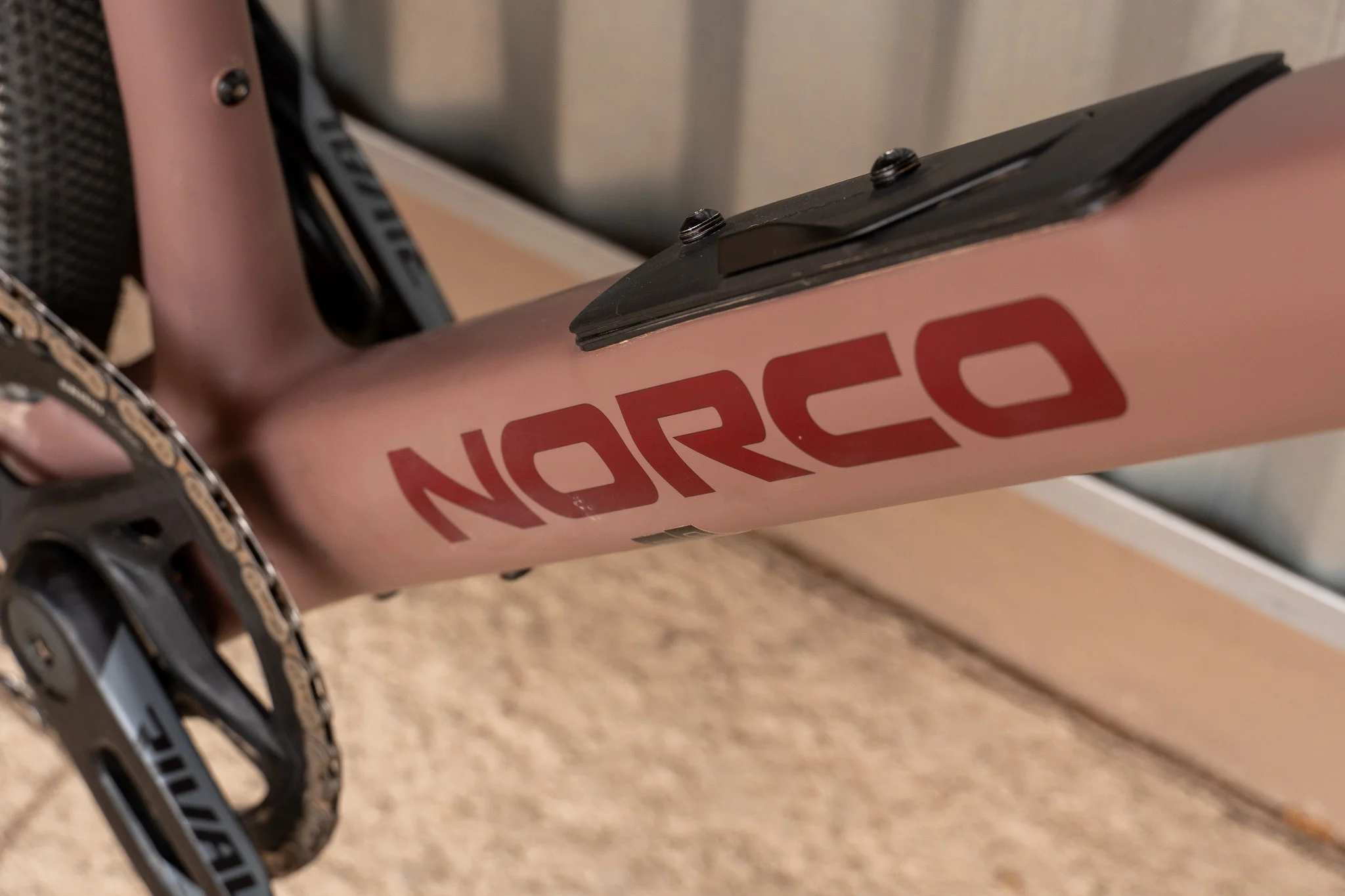
The Search comes with the standard two bottle mounts in the main triangle, a set of bosses on the top tube, and a set on the down tube. This provides good overall storage for bottles and bags on the frame. I do miss a triple pack on the fork to facilitate the use of everything cages or mini panniers to increase the adventure-ability of this bike.
It also features down tube storage. This storage is access via a lever that pops open the door. It comes with a bag that fits the storage compartment well and they look to be well-built and durable. The frame tubes are narrow and limit the width of the storage door. This can make it a bit more difficult to remove or add things to the storage. I did not experience any rattling or issues with the down tube storage.
Diverge
The Diverge has the same main frame, top tube, and down tube bosses as the Norco. In addition, it also comes with a triple pack on the fork. I used this on longer rides to attach an Ortlieb Fork Pack to carry extra layers and fuel during some of my longer rides.
It also includes the now almost standard SWAT storage in the downtube. Specialized has updated the doors to use a lever, similar to the Search, that makes accessing and closing the door much easier. The shape of the Diverge's down tube also allows for a slightly wider door facilitating the removal and entry of the bag. The bag looks to be similar to the ones they've been shipping for years. I've had pretty good luck with these bags, but I wouldn't try to overfill them as the zippers can become strained.
Both bikes have great storage options, but the Diverge delivers with a slightly bigger SWAT door and the fork triple pack.
Conclusion
I would have no issues recommending either of these bikes to just about anyone. They are both capable of handling our local terrain, ride nice, fit big tires, and have components that will work and last for years. Both are great bikes.
If your focus is more racing or shorter rides on smoother roads, the Search delivers with its snappy ride quality and 13-Speed Rival drivetrain. It could certainly double as an adventure bike, but it is missing a few details that would maximize your storage capacity.
On the contrary, if you ride mostly rough, steep, chunky terrain and/or plan to use the bike for some bikepacking or longer adventure rides, the Diverge delivers with its Future Shock to smooth things out, the Eagle drivetrain for a lower gear, and extra storage for those long days in the saddle.